Speakup Blog
Part 1: Emergency Preparedness Is Not One Size Fits All. Plan and Prepare According to Your Needs as They Change.
Learning the importance of emergency preparedness the hard way
I'm an autistic quadriplegic epileptic Type 1.5 diabetic asthmatic amputee with hearing loss, communication disabilities, autoimmune disease, an unidentified neurodegenerative disease, life threatening allergies and the immune system of a chemo patient. My larynx is deformed and I have little breath support. Spoken language is not my primary means of communication; manual eye gaze communication and a high tech eye tracking speech device are.
My husband Tony is autistic, has cerebral palsy, asthma and autoimmune disease, difficulty walking and is legally blind. That said, our diagnoses do not really explain who we are or what we need. We are each other's caregivers. Communication and coordinating our needs on a usual day is exhausting. During emergencies, it's a nightmare. We need to plan carefully, maintain communication and be flexible to remain independent and survive.
Effective communication prevents emergencies and is lifesaving
To become less invisible, be heard and get needs met, we plan, prepare, maintain communication and build support networks to stay safe during emergencies. Emergencies and disasters include hurricanes, wars, terror attacks, domestic violence, flood, fire, injury, trauma, disruptions to the water supply, power outages, supply chain issues, staffing shortages, lack of cellphone service or internet access. No population is more at risk than those of us with speech, hearing, sensory, developmental cognitive or neurological disabilities. Many of us require special diets, communication technology, home healthcare and medical equipment. We cannot survive without those vital supports for long.
Disasters pose challenges, including but not limited to loss of power, the absence of familiar communication partners, and the need for vocabulary that addresses emergency issues. Without light, power and or internet access our communication methods have limited use. Yes/no questions don't give people enough information to accurately triage us.
Shock, stress, unfamiliar environments and stimuli contribute to an emotional and sensory toll that is overwhelming and may hinder our communication. First responders must assess our needs and get accurate information. This is made more difficult when we're injured or displaced. They may need to contact loved ones or someone close to us. This can be impossible without light sources or when telephones and internet access is down. So we must prepare.
Having a Communication Passport is Key for People who Use AAC
It is vital for me, my peers, and our supporters to create communication passports to prepare for disasters and emergencies. The big questions: What are our needs? And, how do we communicate during adversity?
My communication passport shows who I am, what I can and cannot do, and how I communicate. In the top section I answer the question "How Best to Support Me" with easy to follow instructions. The rest of the document contains: my name, date of birth, address, cellphone, emergency contacts, communication methods, insurance, identity and ethnicity, beliefs, caseworkers, friends, doctors, hospital, medications and pharmacy, diagnoses, allergies, sensory issues. It includes information on symptoms on good days, symptoms on bad days, things that scare me and increase anxiety and things that calm me. There's a description of activities of daily living, medical equipment needed, home health agencies, school, employment, pets, diet, means of transportation, favorite foods, favorite activities, favorite people. That should be enough information to tell first responders who I am and give them my baseline.
Building a Kit and Connecting with Disaster Management Resources
If we need to be evacuated, having a "go bag" with supplies we need for the next few days is crucial. We need to pack go bags for different seasons and emergencies with what can be managed in small bags, backpacks and boxes.
These may include: food, water, clothing, blankets, sleeping bags, coats, adaptive eating and drinking supplies, towels, flashlights, first aid kit, soap, medications, medical information, communication passports, "low tech" communication displays and backup communication devices, insurance information, money, batteries, whistles, moist towelettes, scissors, electrical tape, duct tape, plastic sheeting, medical equipment you can't do without, chargers, manual can opener for food, pain relievers, cellphones with the cords, backup batteries, pet food, paper, pencils, maps, gloves, masks, hand sanitizer, nails, screws, wrenches, pliers, weather radio and a citizens band radio.
Our Lives Are Not Bullet Points or Statistics. Make People See You. Being Invisible Is Dangerous. Plan, Network and Prepare.
We're valued, respected and belong in our community. The words "challenging" or "complex" do not describe our reality. They do us a disservice in emergencies and make us invisible. Every word and nuance counts. In our experience, using those terms to describe ourselves tends to overwhelm people and get us triaged at the back of the line. It's more helpful when people see us as Pam and Tony. We network with stakeholders at every step. Like everyone else we never know when we'll face emergencies, but we make it work because we prepare and change protocols when needed.
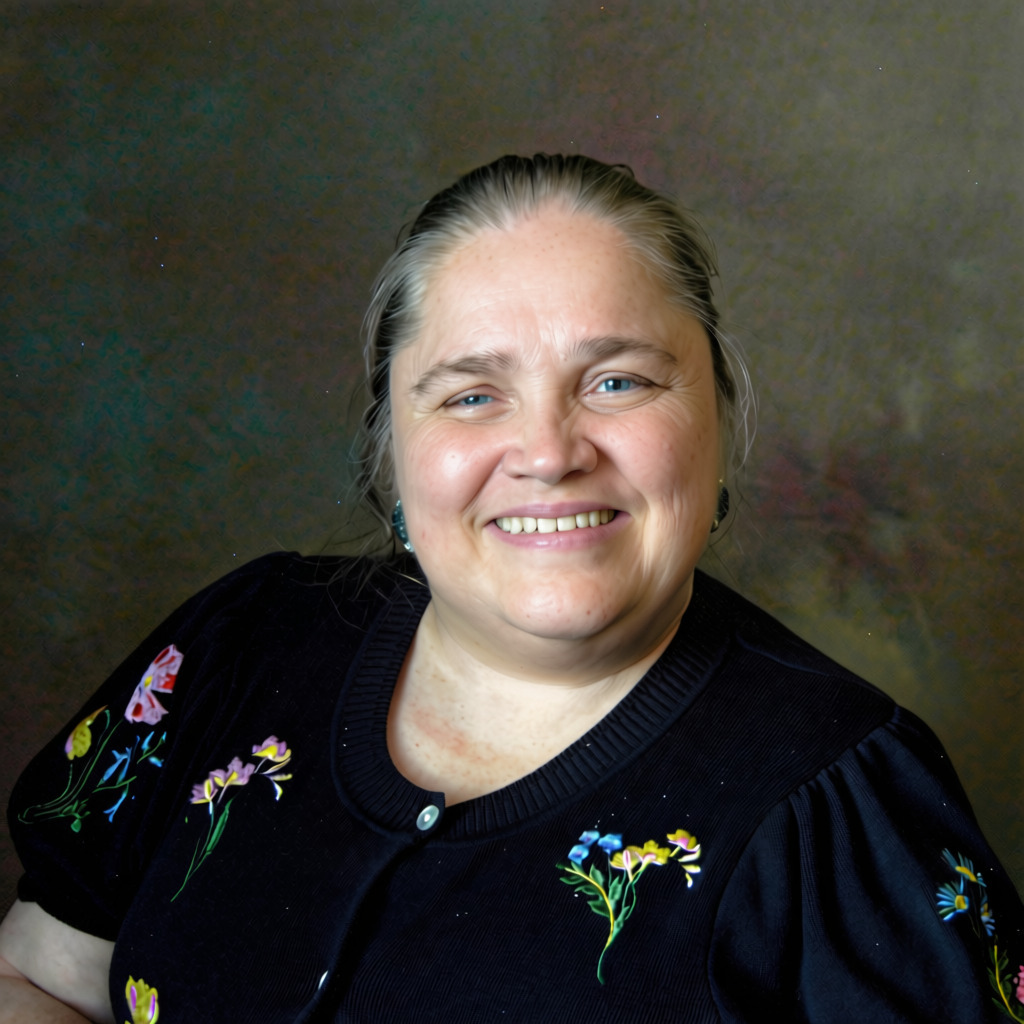
Pam Kennedy https://www.ussaac.org/speaker/pam-kennedy/ is a disability advocate, disaster refugee, an augmentative and alternative communication user, emergency management and crisis Intervention specialist who has performed disability risk assessments to agencies since 1992. Learn about Pam's experience in Hurricane Katrina at Disaster Preparedness for People with Complex Communication Needs: A Personal Perspective
Thank you for reading this blog post. The views expressed in this post are that of the author, and do not necessarily reflect the views and policies of USSAAC members and board members. No endorsement by USSAAC is implied regarding any device, manufacturer, resource or strategy mentioned. We would love to hear from you. Please share your thoughts with a comment below or send a message through our contact page.